
Compatible hardware retained
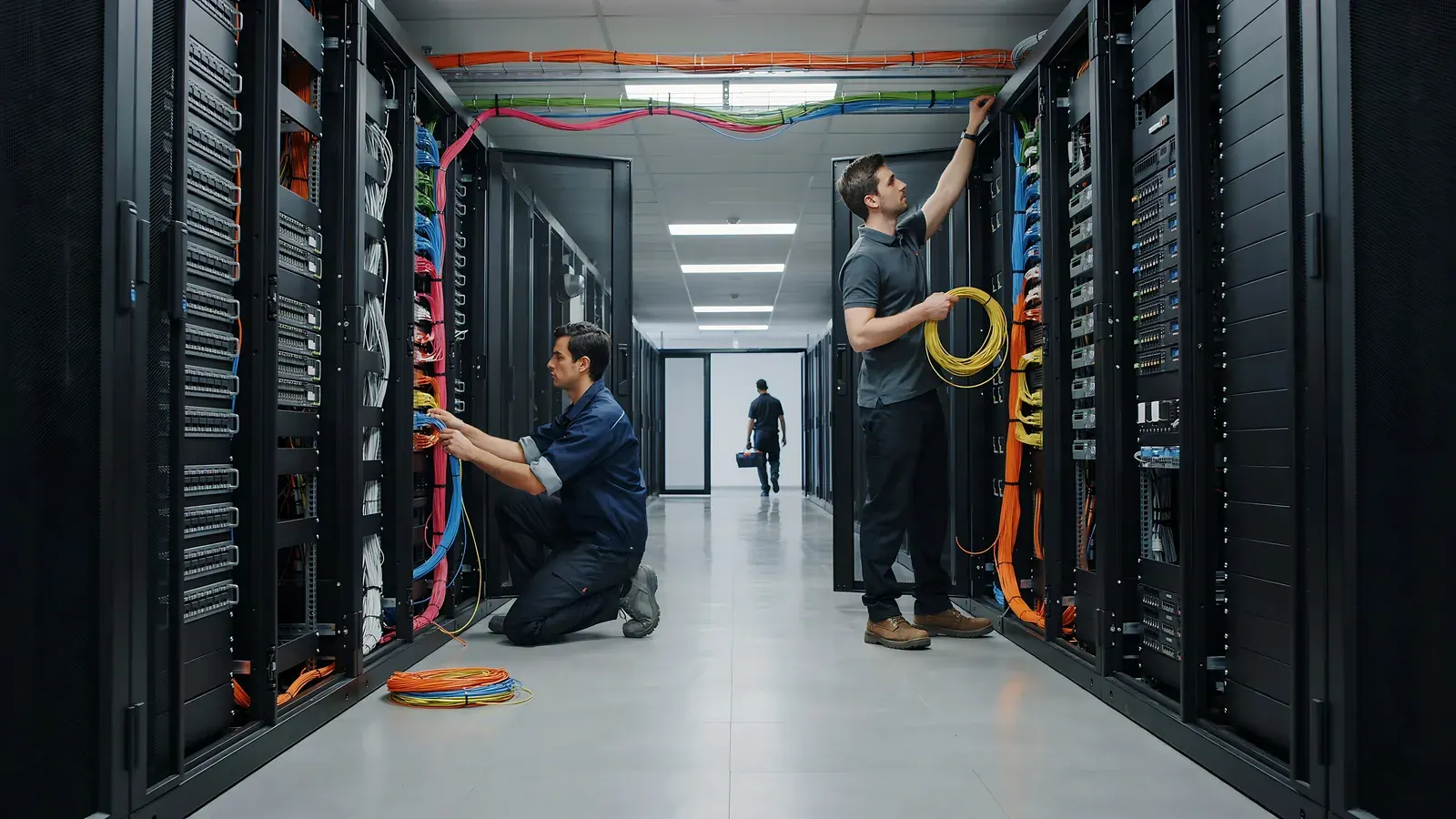
Desk phones, gateways, cabling: everything compatible with the new platform is reused as is.
Audit, number porting, cutover with a parallel run: migration is our job, not your risk.
The project startsWith an inventory of what you have
On cutover dayBoth systems run side by side
At the endYour teams are trained
You can't migrate what you don't know. Before proposing anything, we record what you really have: the PBX and equipment, how it is used, your contractual commitments.
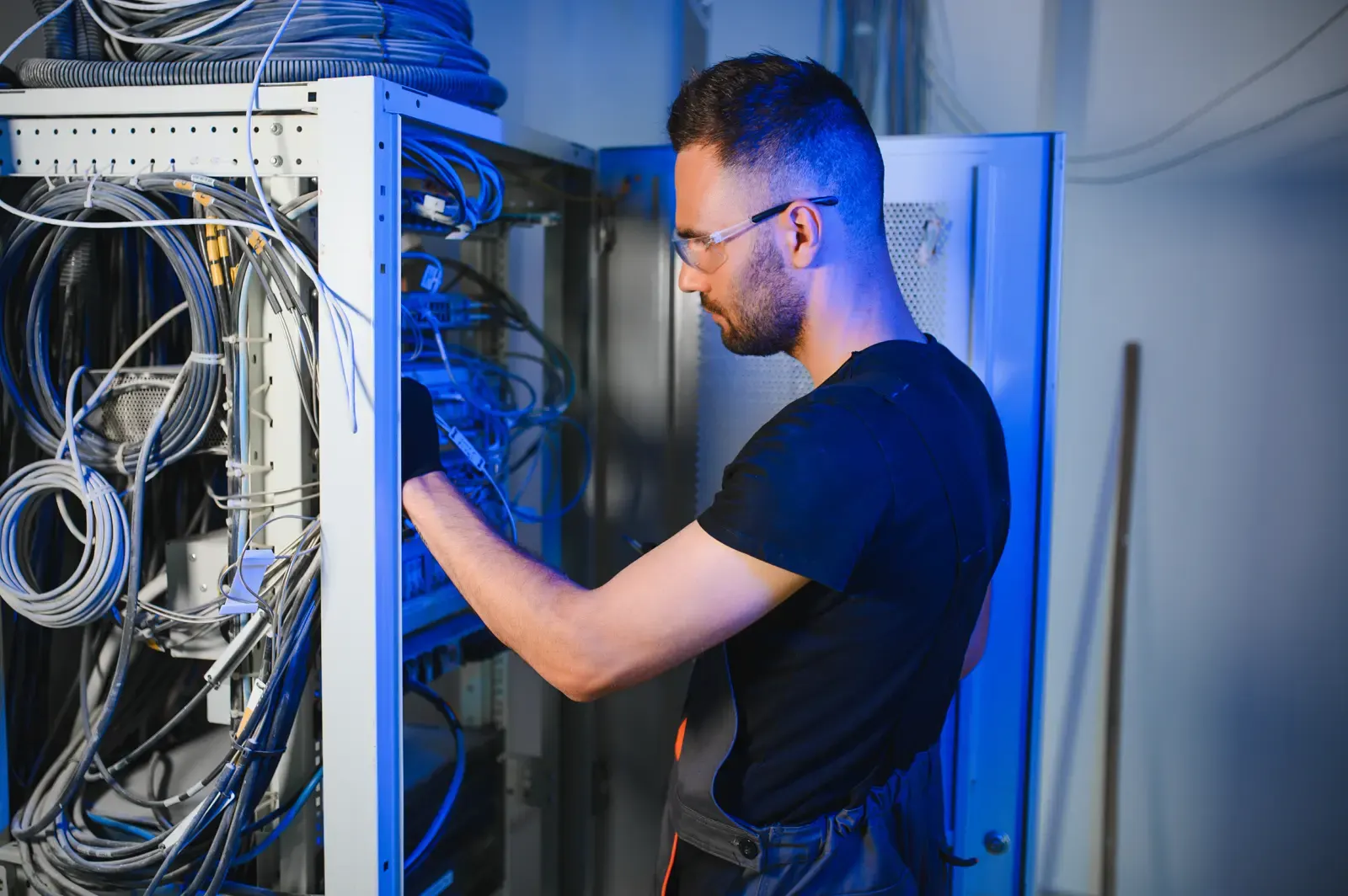
Desk phones, gateways, links, cabling: every piece of equipment is identified, with its condition and compatibility.
Volumes, peak hours, call forwarding, call queues: the future architecture is sized on your real calls.
All your numbers, their operators, current expiry dates and notice periods: the migration schedule is built from there.

Changing platform doesn't change your number. Porting is a regulated procedure: we handle it from start to finish, and you know the date before we begin.
Landlines, direct-dial numbers, service numbers: all are ported to the new platform, without exception.
We prepare and file the porting request, follow up on approval from the operator you are leaving and deal with any rejections.
Usually two to four weeks, depending on the operator: the exact date is given to you before we start.
Nothing is replaced on principle: what works stays, what holds you back goes, and the cost of the cutover is decided desk phone by desk phone, with you.
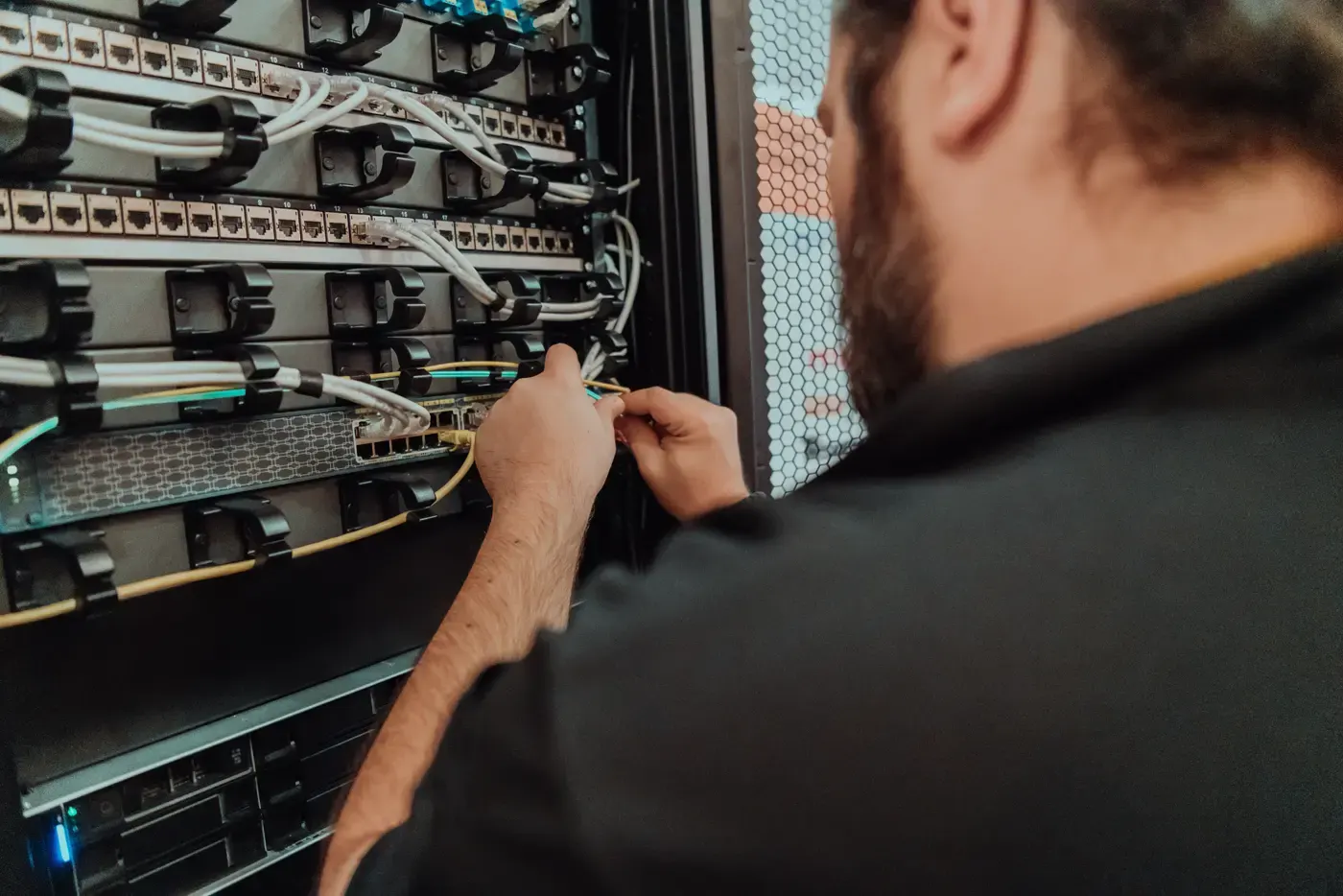
Desk phones, gateways, cabling: everything compatible with the new platform is reused as is.
Only end-of-life or incompatible equipment is replaced, with recent hardware suited to each desk.
The quote separates what is reused from what is replaced: you see exactly what you are paying for, and why.
The work takes place away from your live environment: your current telephony runs normally while the new platform is built alongside it.
Full inventory of the installation, numbers and current contracts.
Platform sizing and a detailed quote, with no hidden extras.
The new platform is built and tested, away from your live environment.
Operator formalities are handled, and the cutover date is announced in advance.
With a parallel run: the old system stays live until the new one is fully validated. It is the moment everyone dreads, and the one we prepare for most.
See the cutover in detailUser and administrator sessions, with getting-started guides provided.
Throughout the cutover, your calls keep arriving on the old system while the new one takes over. Nothing is switched off before validation.
TodayCurrent installation
From cutoverVoiceAura platform

The best platform is worthless if no one knows how to use it. Training is part of the deployment, not an option.
Answering, transferring, putting on hold, forwarding: everyday tasks, on the actual desk phones, in small groups.
Setting up a desk phone, changing call forwarding, managing opening hours and voice announcements: your designated contact becomes self-sufficient.
An illustrated guide for every user, and our direct line for the first few weeks.

Four points to check before signing anything, ours included. We go through them with you during the audit.
Often 3 to 6 months: the notice date drives the whole schedule.
A missed deadline can renew the contract for a whole year.
Some desk phones and PBXs have to be returned: we plan for this in the architecture.
Check that every number you want to keep is included in the porting request.
Usually two to four weeks, depending on the operator you are leaving. The exact date is confirmed to you before we start, and your lines work normally until the cutover.
No: that is precisely what the parallel run prevents. The old system stays live until the new one is fully validated.
Compatible desk phones are reused. The others are returned (leased equipment) or recycled, as you prefer.
Giving formal notice is up to you, as operators require it, but we prepare the letter and align the date with the porting schedule.
Describe your current installation: you will receive a dated migration plan, porting schedule included.
Let's talk about your telephony
A few details are all it takes: a specialist will call you back within one business day.
Or call +41 22 520 02 00